


Baton Rouge African American Museum Reopens on Juneteenth in Powerful Celebration of Legacy, Freedom, and Black History
The Baton Rouge African American Museum reopened on Juneteenth in a packed celebration honoring Sadie Roberts-Joseph, described as the “matriarch of Juneteenth in Louisiana.”

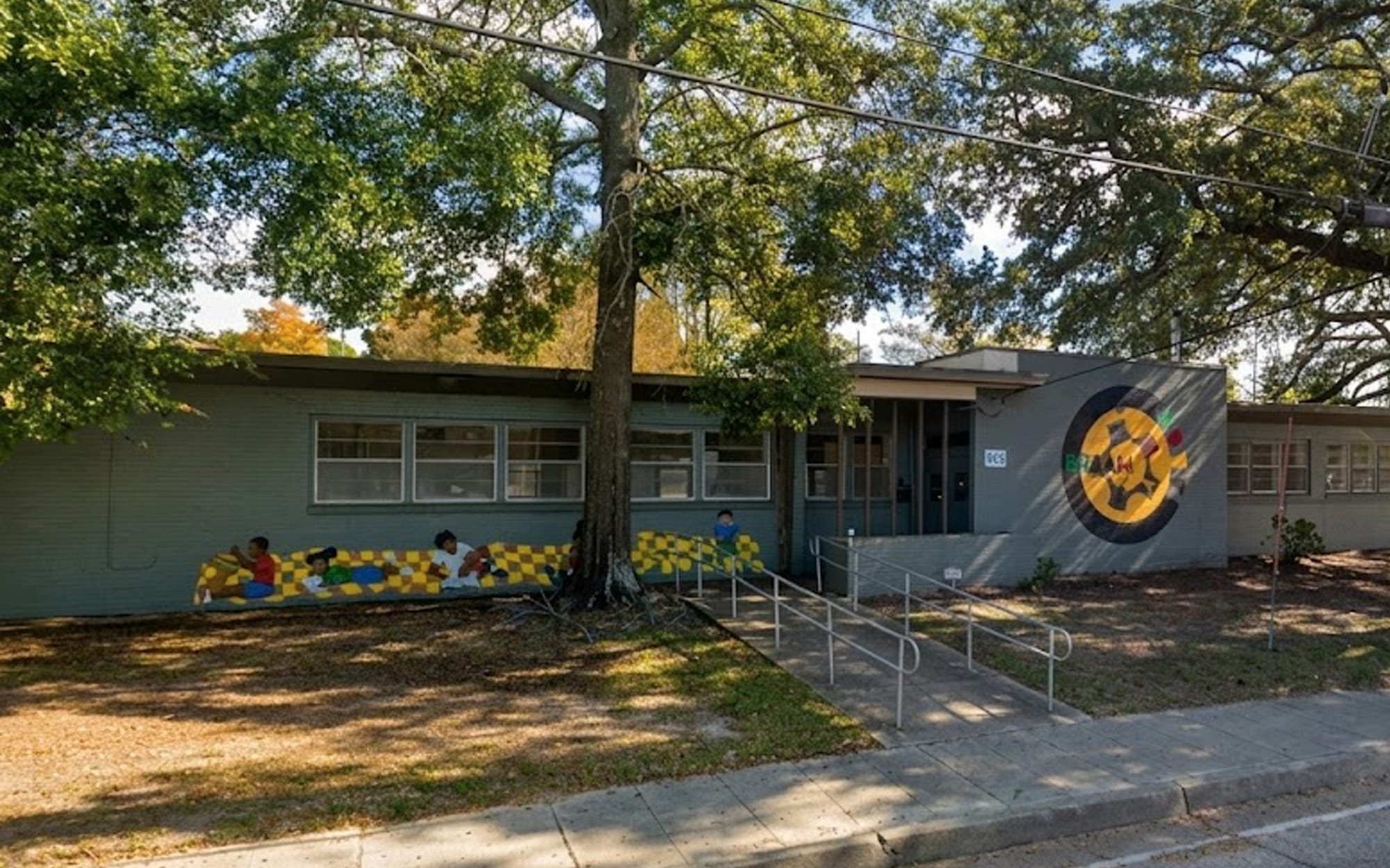
BATON ROUGE, La. — The Baton Rouge African American Museum reopened on Juneteenth to a capacity crowd that filled every corridor of the historic downtown space, transforming the evening into a powerful cultural celebration of Black history, community heritage, and generational legacy.
Held at 805 St. Louis St., the event drew more than 500 registered guests, with additional attendees gathered outside as music, prayer, reflection, and storytelling filled the building. The reopening marked both the restoration of a cultural institution and a reaffirmation of a community committed to preserving its history.
What unfolded was more than an event; it was a homecoming.
Juneteenth Opening Rooted in Memory and Faith
The program opened with a solemn moment of silence honoring museum founder Sadie Roberts-Joseph, followed by a stirring rendition of “Lift Every Voice and Sing,” setting a reverent tone for the evening.
Rev. Brady Whitton from the First United Methodist Church delivered the invocation, calling the gathering to reflection and gratitude.
“On this Juneteenth, we remember those who came before us, those who endured, those who hoped, those who labored for freedom, dignity, and justice,” Rev. Brady Whitton said.
A Legacy Realized: The Vision of Sadie Roberts-Joseph
Speakers repeatedly emphasized that the museum stands as the living legacy of Sadie Roberts-Joseph, whose vision transformed a grassroots exhibit into a lasting cultural institution dedicated to African American history.
Former East Baton Rouge Parish Mayor-President Sharon Weston Broome called the reopening the fulfillment of that vision.
“This is a celebration of vision, tenacity, and perseverance,” Sharon Weston Broome said. “Today is the manifestation of Sadie Roberts-Joseph’s vision and heart.”
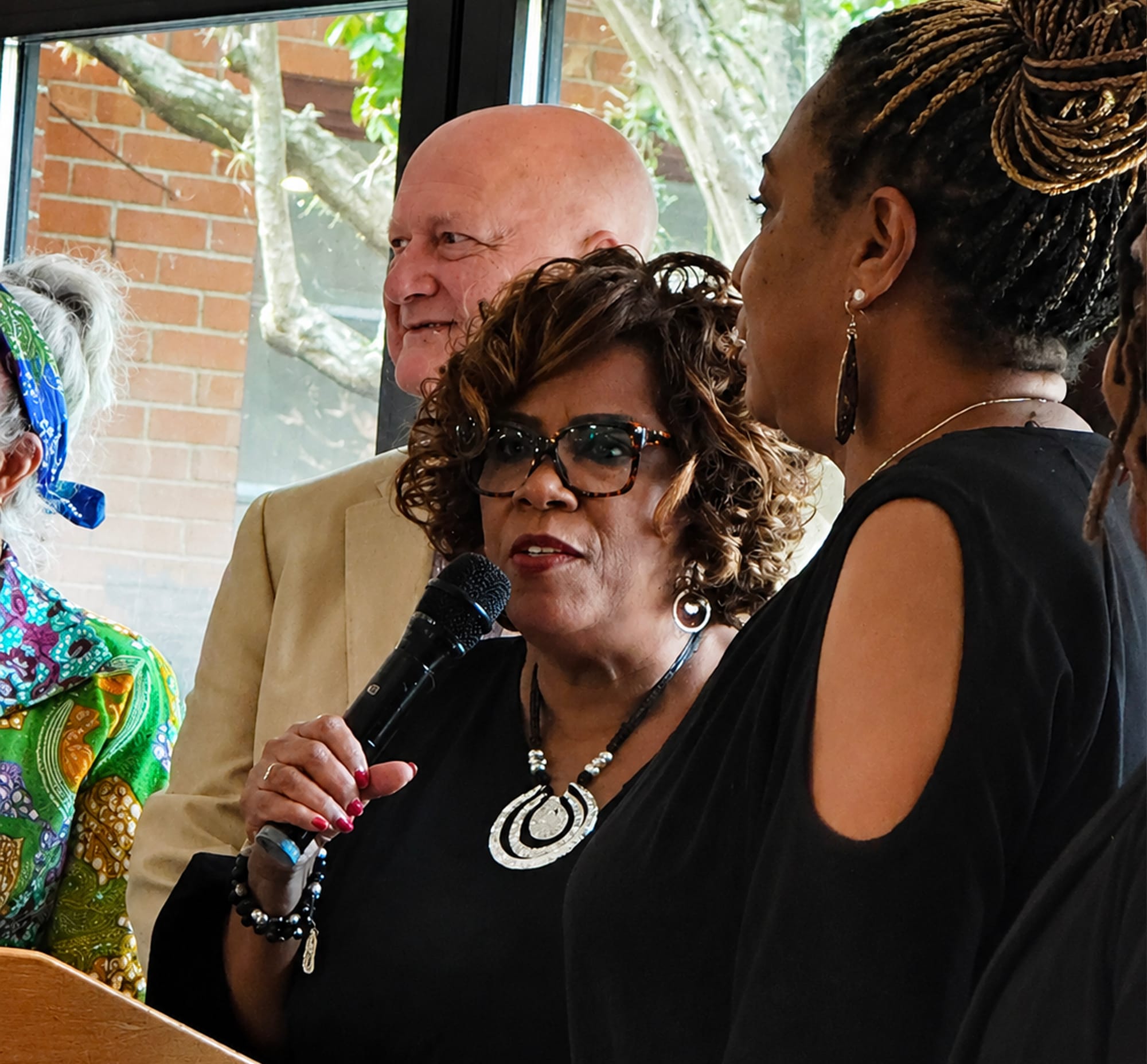
Baker Mayor Darnell Waites described Roberts-Joseph’s historic impact in powerful terms, calling her “the matriarch in Louisiana of Juneteenth,” recognizing her lifelong commitment to preserving African American history and advancing cultural education.
Broome also recognized Dr. Angela Machen and Jason Roberts for sustaining the mission and credited Mayor-President Sid Edwards for supporting the museum’s reopening.
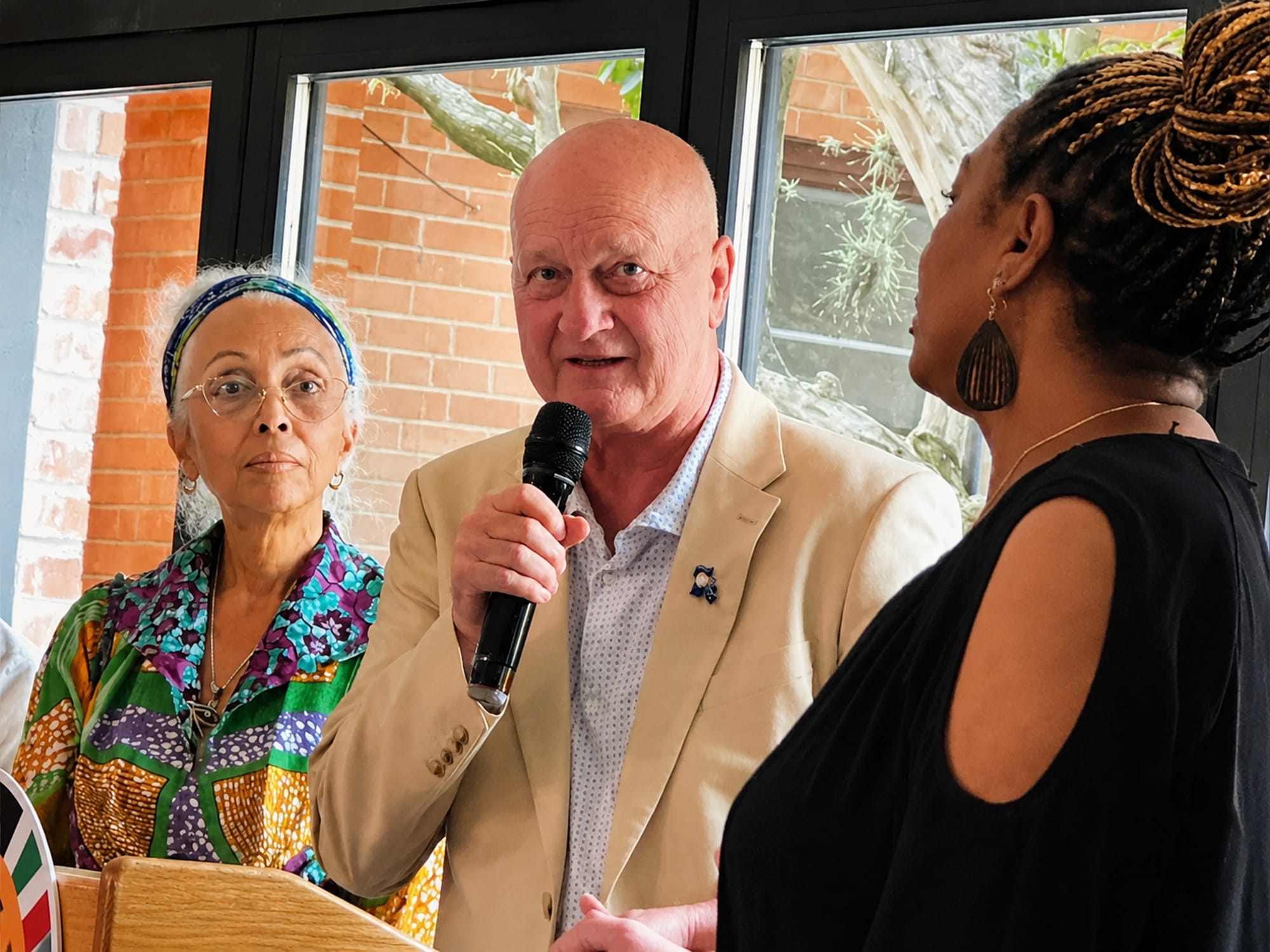
Mayor-President Sid Edwards praised the restoration effort.
“This is a legacy and a testament to Ms. Sadie and her whole family,” Sid Edwards said. “The work that went into this place is evident in every detail.”
A Coalition of Leaders and Community Presence
The reopening brought together a broad coalition of civic leaders, judges, and elected officials from across Louisiana.
Attendees included Sharon Weston Broome, Sid Edwards, Baker Mayor Darnell Waites, State Rep. C. Denise Marcelle, State Rep. Steven Jackson, Louisiana Supreme Court Associate Justice John Michael Guidry, District Attorney Hillar Moore III, Metro Councilwoman Carolyn Coleman, former Metro Councilwoman Chauna Banks, Baker Councilwoman Desiree Collins, retired Judge Trudy White, and additional community leaders.
Baker Mayor Darnell Waites emphasized the museum’s generational importance.
“This museum stands as a reminder that our history is valuable, our stories matter, and our children deserve a place where they can learn about the sacrifices, achievements, and resilience of those who came before them,” Darnell Waites said.
State Rep. C. Denise Marcelle described the museum as a cultural anchor.
“The Baton Rouge African American Museum is more than a building filled with artifacts,” C. Denise Marcelle said. “It is a living testament to the struggles, triumphs, and contributions of African Americans whose stories must be preserved and honored.”
Inside the Museum: Church Roots, Family Legacy, and Expansion Vision
Dr. Angela Machen detailed the museum’s evolution from a modest exhibit inside New St. Luke Baptist Church into a fully realized cultural institution shaped by family dedication and community collaboration.
She emphasized that the museum’s foundation is inseparable from the legacy of her mother, Sadie Roberts-Joseph, and credited her brother for key contributions to the museum’s development and curation.
“This is not just about the legacy of a single person,” Dr. Angela Machen said. “It’s about how we all come together, making small contributions one by one, to build something greater for the entire community.”
She outlined future expansion plans, including a Louisiana Legends room, a recreated sharecropper’s cabin, spaces for artists and entrepreneurs, a small business center, and continued preservation of Baton Rouge civil rights history, including initiatives tied to the Bus Boycott.
Museum curator Jason Roberts emphasized the institution’s educational mission.
“When young people walk through these doors, they will encounter more than history,” Jason Roberts said. “They will encounter possibilities.”
Historical Foundations: Odell Williams Legacy and Church Beginnings
Dr. Angela Machen also highlighted the museum’s deeper historical roots, connecting its early development to the legacy of the Odell S. Williams Museum of African American History and its origins in faith-based spaces.
She explained that early exhibits began inside New St. Luke Baptist Church, where small displays grew into a broader community effort dedicated to preserving African American history. That church-based foundation ultimately expanded into a structured museum movement supported by educators, families, and cultural leaders.
A Community Voice Witnessing History
Ivory D. Payne, publisher of The Baton Rouge Weekly Press and Leaders Publications, reflected on the moment.
“What an honor it is to be in the room, to witness history unfolding in real time, and to stand among so many who have poured their hearts into preserving our story,” Ivory D. Payne said. “This moment is bigger than any one of us; it is about legacy, truth, and the power of a community that refuses to forget where it came from. No one can tell our story like us.”
A Musical Closing That Lifted the Room
The celebration concluded with a performance by the Rose Hill Children’s Choir, whose energy and participation filled the room with joy and celebration.
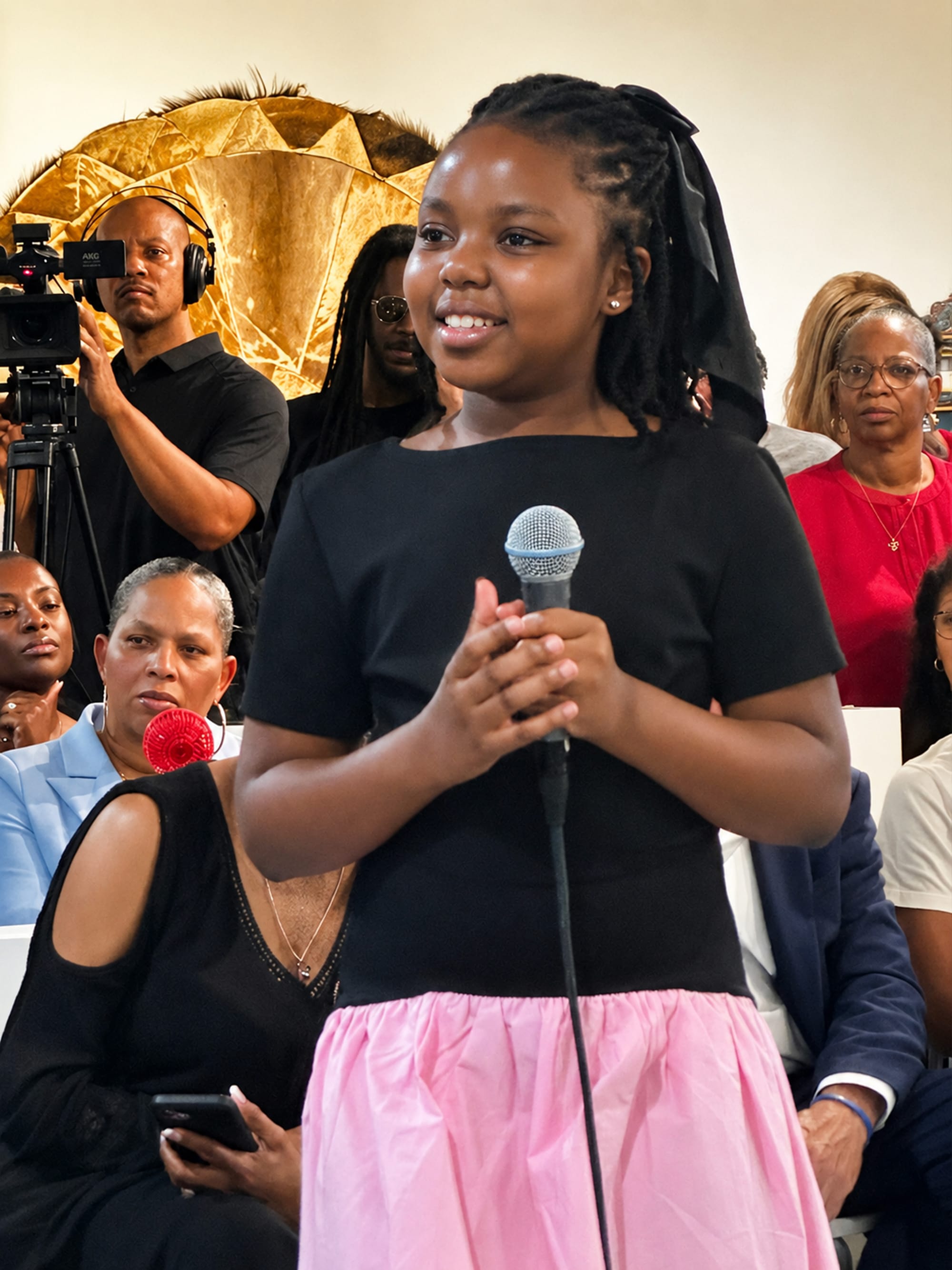
The evening ended with a stirring solo by 11-year-old Miss Erin, who delivered a heartfelt rendition of Donny Hathaway’s “Someday We’ll All Be Free.” Her performance served as a deeply emotional finale, bringing reflection, hope, and unity to a powerful Juneteenth program.
A Juneteenth Moment That Becomes Legacy
As the final notes faded, the museum stood not only as a restored institution but as a living symbol of cultural preservation and community determination.
The reopening of the Baton Rouge African American Museum on Juneteenth marked a defining milestone for the city, honoring the vision of Sadie Roberts-Joseph while reaffirming a commitment to preserving African American history for generations to come.
What began as a celebration became something larger: a declaration that history will be protected, truth will be preserved, and legacy will continue.
And on this night, history was not only remembered.
It was renewed.


